 It’s easy to assume that the ankle pain you’ve been dealing with for a while is just the effect of a lingering sprain, but there is a lesser-known culprit that might be the cause: peroneal tendonitis. An estimated 77% of chronic ankle sprains may have some form of inflammation of the peroneal tendons, and people are none the wiser.
Left untreated, peroneal tendonitis can progress to chronic pain and, in the worst of cases, full tears of the tendon. Not to worry, though, because Dr. Elizabeth Auger, DPM, has everything you need to know to ensure you don’t get to that point.
What Is Peroneal Tendonitis?
The ankles are the joints responsible for stability when standing and walking. This stability, in turn, depends primarily on two tendons: the peroneus longus and the peroneus brevis, which run along the outside of the ankle and the foot and allow you to turn your foot outward (eversion).
Peroneal tendonitis occurs when something irritates or damages these tendons, causing inflammation. This presents in patients as pain, swelling, and a general feeling of weakness in the area.
What Causes Peroneal Tendonitis?
Peroneal tendonitis is most commonly attributed to overuse and eventual injury of the tendons in the foot. Infections can also cause this, though this is less common.
Because of the strong correlation between the disease and physical activity, peroneal tendonitis is especially common in athletes. Outside of physical activity, other risk factors include biomechanical foot issues such as high arches or flat feet, though even regular daily activities can serve as triggers if a person’s feet are overworked.
Here are some specific causes of peroneal tendonitis:
Overuse & Repetitive Stress
Physical exertion, such as running and jumping, puts strain on any body part, and the ankles are no exception. The human body rebuilds itself after undergoing physical stress, but too much can weaken the peroneal tendons faster than the body can heal.
Over time, this leads to irritation and inflammation associated with tendonitis.
Acute Injuries
Tissue damage caused by sprains, strains, blunt force trauma, and tearing triggers the body’s immune response, causing inflammation and pain in affected organs. This is a natural part of the healing process, though it severely limits mobility in and of itself.
Injuries also take longer to heal than stress caused by general physical exertion.
Biomechanical Issues
Some people have differences in leg length or issues such as flat feet that change the way their feet move. Even calluses on the soles can be thick enough to have a noticeable effect on mobility.
The issue here is that the human body evolved the ability to walk in a very specific way, and so any change to the mechanism tends to place more stress on the feet than normal. As we’ve pointed out, stress is the most common and direct cause of peroneal tendonitis.
Infection
Infection-related tendonitis is rare, but not impossible, and occurs when bacteria, parasites, or viruses manage to enter the tendon sheath. Infections usually enter via open wounds and present other symptoms, such as fever, in addition to the expected pain and swelling.
Unlike standard tendonitis, septic tendonitis does not typically respond to RICE protocol (Rest, Ice, Compression, Elevation). Your doctor may recommend antibiotics and, sometimes, surgical intervention.
Symptoms of Peroneal Tendonitis
Common signs of peroneal tendonitis include pain along the outer ankle, particularly behind the ankle bone, often accompanied by swelling, warmth, or tenderness in the affected area. This pain typically worsens during or after physical activity.
Functionally, individuals may experience ankle instability or a sensation of the ankle “giving way,” weakness when attempting to turn the foot outward, and pain when standing on tiptoe or pushing off during walking or running. This feeling of weakness is similar to delayed onset muscle soreness (DOMS) experienced after a strenuous workout.
In complicated cases, patients may present chronic degeneration in the tissue (tendinosis) or, in severe cases, complete tendon tears.
Keep in mind, however, that pain on the outside of the ankle does not immediately mean peroneal tendonitis. If you experience persistent pain, swelling, tenderness, or other symptoms, you should see your healthcare provider for a diagnosis.
Diagnosis of Peroneal Tendonitis
If you’re experiencing persistent outer ankle pain, your healthcare provider will use a combination of medical history, physical examination, and imaging to confirm the condition. Here’s what to expect during the diagnostic process:
Medical History
Your doctor will begin by gathering details about your symptoms and lifestyle to pinpoint potential causes of peroneal tendonitis. Expect questions about:
- Activity Level: Are you an athlete, runner, or dancer? High-intensity or repetitive activities can stress the peroneal tendons.
- Footwear: Do you wear supportive shoes, or are your shoes worn out? Improper footwear is a common contributor.
- Past Injuries: Have you had ankle sprains or other injuries? Previous trauma can weaken the tendons, increasing the risk of tendonitis.
Physical Examination
Next, your provider will perform a hands-on exam to assess the peroneal tendons and ankle function. The exam may include:
- Checking for Tenderness: The doctor will press along the peroneal tendons (behind the outer ankle bone) to identify pain or swelling.
- Testing Ankle Strength and Stability: You may be asked to move your foot outward against resistance to evaluate tendon strength. Weakness or pain during this motion is a key indicator of tendonitis.
- Assessing Ankle Stability: Tests like standing on one leg or walking may reveal instability, a common symptom of peroneal tendon issues.
Imaging Tests
If the medical history and physical exam suggest peroneal tendonitis, imaging can confirm the diagnosis and rule out other issues.
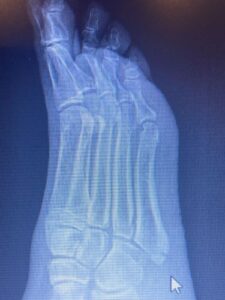
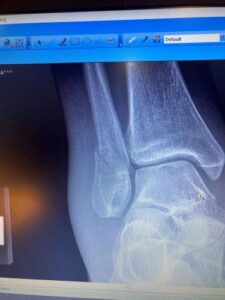
X-rays are a preliminary method used to check for bone fractures or abnormalities that might mimic tendonitis symptoms. X-rays don’t show soft tissue damage, but are a first step to exclude other causes.
After X-rays, doctors may move on to MRIs. This machine provides detailed images of the peroneal tendons, revealing inflammation, tears, or degeneration, and is especially useful for assessing the extent of tendon damage in chronic cases.
Ultrasound imaging may also be used, though more often than not, only if MRI results are inconclusive. Ultrasound detects excess fluid in the tendon sheath, a sign of inflammation.
Fluid levels greater than 3mm are considered significant, according to medical research, and can confirm tendonitis or related conditions like tenosynovitis.
Peroneal Tendonitis Treatment
Effective treatment for peroneal tendonitis can relieve pain, reduce inflammation, and restore ankle function. Most cases improve with nonsurgical methods, but severe or chronic conditions may require surgery.
Nonsurgical Treatments
Most people with peroneal tendonitis respond well to conservative treatments, which focus on reducing stress on the tendons and promoting healing. These include:
- Rest, Ice, Compression, Elevation (RICE): This is the first line of defense to manage symptoms.
- Rest: Avoid activities that worsen pain, such as running or jumping, to give the tendons time to heal.
- Ice: Apply ice packs for 15-20 minutes every few hours to reduce swelling and pain.
- Compression: Use a wrap or bandage to support the ankle and minimize swelling.
- Elevation: Keep the ankle raised above heart level when resting to decrease fluid buildup.
- NSAIDs (Nonsteroidal Anti-Inflammatory Drugs): Over-the-counter medications like ibuprofen or naproxen can reduce pain and inflammation. Follow your doctor’s guidance to avoid side effects with prolonged use.
- Physical Therapy: A tailored program can strengthen the peroneal tendons, improve ankle stability, and restore flexibility. Common exercises include:
- Strengthening: Resistance band exercises to target the peroneal muscles.
- Balance Training: Single-leg stands to enhance ankle stability.
- Stretching: Gentle stretches to improve flexibility and reduce tendon tension.
- Bracing or Orthotics: Ankle braces or custom shoe inserts (orthotics) can stabilize the ankle and correct biomechanical issues, such as high arches or flat feet, that contribute to tendon stress. These are especially helpful for athletes or those with repetitive strain.
- Corticosteroid Injections: For severe inflammation, a doctor may recommend a corticosteroid injection to reduce pain and swelling. These are used cautiously, as repeated injections may weaken the tendon, increasing the risk of tears.
These nonsurgical treatments typically lead to improvement within 4-8 weeks with consistent application. Always consult a healthcare provider to customize your treatment plan.
Surgical Options
Surgery is rarely needed but may be considered for chronic peroneal tendonitis or severe cases involving tendon tears or significant degeneration. Surgical procedures include:
- Tendon Repair: The surgeon repairs tears or removes damaged tissue to restore tendon function.
- Tenodesis: In cases of extensive damage, the affected tendon may be stitched to a healthy tendon for added support.
- Addressing Anatomic Issues: Surgery may correct biomechanical problems, such as a low-lying muscle belly or a tight peroneal tunnel, that contribute to tendonitis.
Post-surgery, patients typically wear a cast or boot and undergo physical therapy. Full recovery can take 3-6 months, depending on the procedure and individual healing.
Need Help With Peroneal Tendonitis? Call Dr. Elizabeth Auger, DPM
If you’re experiencing persistent outer ankle pain, swelling, or instability, don’t let it progress. Early diagnosis and treatment are key to preventing chronic issues and returning to your normal activities. Dr. Elizabeth Auger, DPM, is here to provide expert care and a personalized treatment plan to help you find relief. Schedule your appointment today when you call (801) 396-9743 to take the first step towards a pain-free life.