
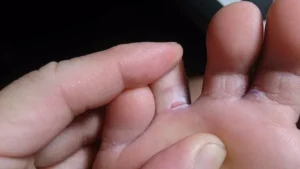
 Athlete’s foot, medically known as tinea pedis, is a common fungal infection that affects the skin between and around the toes. Contrary to popular belief, it’s not exclusive to athletes, anyone can develop it.
Symptoms include itching, burning, peeling skin, excessive dryness on the sides or bottoms of the feet, and changes in toenail color or thickness. Fortunately, home remedies for athlete’s foot can alleviate symptoms and, in many cases, eliminate the infection.
Below, we explore natural treatments, including soaking your feet in peroxide, and provide practical tips for tinea pedis self-care. If symptoms persist, consult a podiatrist for professional care.
Don’t let foot pain or infections slow you down. With over 20 years of experience providing expert podiatric care, Dr. Elizabeth Auger has helped countless patients in Salt Lake City, Sandy, and West Jordan get back on their feet with confidence.
Whether you’re battling athlete’s foot, toenail fungus, or chronic foot pain, Dr. Auger offers compassionate, personalized treatment to fit your needs. Schedule your appointment today and experience the difference of expert foot care close to home.
Home Remedy for Athlete’s Foot: Natural Treatments That Work
Several natural treatments can effectively combat foot fungus and relieve discomfort. Here are some of the best home remedies for athlete’s foot:
Cornstarch
To ensure it’s moisture-free, lightly brown cornstarch in the oven. Once cooled, apply it to your feet and toes, leave it for 10 minutes, then brush it off with a towel.
Wash your hands thoroughly after application. This remedy absorbs moisture, creating an environment hostile to foot fungus.
Expose Feet to Air
Dry air inhibits fungal growth. Go barefoot on clean, dry surfaces or wear flip-flops or sandals to promote airflow.
This self-care method helps keep feet dry, making it harder for fungi to thrive.
Soap and Water
A simple yet effective remedy is washing your feet twice daily with plain soap. Dry thoroughly, especially between the toes, using a towel or a hairdryer on a cool setting.
This prevents moisture buildup, which is a key factor in the spread of athlete’s foot.
Baking Soda for Shoes
Sprinkle baking soda inside your shoes after wearing them to absorb moisture and combat foot fungus. This is particularly useful if you frequently wear the same shoes while treating athlete’s foot.
Tea Tree Oil
If you’re looking for what kills foot fungus naturally, look no further than tea tree oil. Known for its antifungal properties, tea tree oil can be diluted (2–3 drops in a carrier oil like coconut oil) and applied to affected areas twice daily.
Vinegar Soaks
Mix equal parts apple cider or white vinegar with water and soak your feet for 10–15 minutes. Vinegar’s acidity helps restore skin pH, inhibiting fungal growth and supporting early-stage athlete’s foot cures.
Garlic Paste
Crush garlic cloves, mix with olive oil, and apply as a paste to affected areas. Alternatively, add garlic to foot soaks.
Garlic’s allicin content offers antifungal benefits, addressing foot fungus naturally.
Hydrogen Peroxide Foot Soak for Athlete’s Foot
Soaking feet in peroxide is a popular home remedy for athlete’s foot due to its antifungal and antibacterial properties. Hydrogen peroxide can help kill foot fungus and reduce infection risk, particularly in the early stages.
Here’s how to do it:
- Preparation: Mix 1 pint of 3% hydrogen peroxide with 1 gallon of warm water.
- Soak: Submerge your feet for about 30 minutes.
- Precaution: Be aware that hydrogen peroxide may sting if your skin is cracked or chapped.
Regular soaks can contribute to tinea pedis self-care and promote healing.
Soaking Feet in Peroxide: Benefits for Athlete’s Foot
Soaking feet in peroxide for athlete’s foot offers several benefits:
- Antifungal Action: Hydrogen peroxide disrupts fungal cell walls, helping to kill foot fungus naturally.
- Cleansing Effect: It removes dead skin and debris, reducing the fungal load.
- Infection Prevention: Its antibacterial properties lower the risk of secondary infections.
For best results, combine peroxide soaks with other home remedies, such as thorough drying and antifungal oils.
How Long Does It Take for Hydrogen Peroxide to Kill Athlete’s Foot?
Some common questions patients have are, “How long should I soak my feet in hydrogen peroxide?” or “What kills athlete’s foot instantly?” While hydrogen peroxide can begin to reduce fungal activity during a 30-minute soak, it typically doesn’t kill athlete’s foot instantly.
Consistent treatment over several days to a week is often required to see significant improvement. For mild cases, daily soaks combined with good hygiene can resolve symptoms within 1–2 weeks.
Severe or persistent infections may need medical intervention.
Common Causes and Risk Factors for Athlete’s Foot
Understanding what causes athlete’s foot is key to preventing new infections. Several everyday habits and environmental exposures can increase your risk of developing this fungal condition:
- Walking Barefoot in Public Areas: Fungi thrive in warm, damp environments like gym showers, public pools, and locker rooms. Always wear flip-flops or water shoes in shared spaces to reduce your exposure.
- Excessive Sweating and Poor Ventilation: Prolonged moisture from sweaty feet, combined with tight or non-breathable shoes, creates an ideal breeding ground for foot fungus. Choose breathable footwear and moisture-wicking socks whenever possible.
- Sharing Personal Items: Sharing towels, socks, or shoes can transfer fungal spores from one person to another. Always use your own footwear and personal hygiene items to prevent infection.
- Wearing the Same Shoes Daily: Shoes that don’t have time to fully dry between uses can harbor moisture and fungal spores. Rotate your footwear and allow shoes to dry completely before wearing them again.
By being mindful of these common risk factors and making small adjustments to your habits, you can significantly lower your chances of developing or recurring athlete’s foot.
Daily Hygiene Tips to Prevent Recurrence
Preventing the recurrence of athlete’s foot (tinea pedis) hinges on consistent, proactive self-care practices that create an environment where fungi struggle to survive. By adopting a disciplined daily hygiene routine, you can significantly reduce the risk of reinfection and maintain healthy, fungus-free feet.
Wash Feet Daily With Antifungal or Antibacterial Soap
Regular cleansing is the cornerstone of preventing athlete’s foot recurrence. Fungi thrive in warm, moist environments, so washing your feet daily removes sweat, dirt, and fungal spores that may linger on the skin.
- Choose the Right Soap: Use an antifungal soap containing ingredients like tea tree oil, clotrimazole, or ketoconazole, or an antibacterial soap to reduce the risk of secondary infections. These soaps are formulated to target fungi and bacteria, making them more effective than regular soap.
- Focus on Problem Areas: Pay special attention to the spaces between your toes, where moisture and fungi tend to accumulate. Use a soft washcloth or your hands to gently scrub these areas.
- Rinse Thoroughly: Ensure all soap residue is removed, as leftover soap can irritate the skin and create a breeding ground for fungi.
- Frequency: Wash your feet at least once daily, preferably after activities that cause sweating, such as exercise or prolonged time in closed-toe shoes. For those prone to athlete’s foot, consider washing twice daily, morning and evening.
Dry Feet Thoroughly, Especially Between Toes
Moisture is the primary enabler of fungal growth, so keeping your feet dry is critical to preventing recurrence.
- Towel Drying: After washing, use a clean, dry towel to pat your feet dry. Focus on the areas between the toes, as even small amounts of trapped moisture can encourage fungal growth.
- Hairdryer Option: If toweling doesn’t fully eliminate moisture or if your feet are prone to dampness, use a hairdryer on a cool or low-warm setting to dry between the toes. Hold the dryer 6–8 inches away to avoid overheating or irritating the skin.
- Timing: Dry your feet immediately after washing or any exposure to water, such as after swimming or showering in public facilities.
- Extra Care for Sweaty Feet: If you have naturally sweaty feet, consider applying an antifungal powder (e.g., tolnaftate or clotrimazole) after drying to absorb residual moisture and provide an additional layer of protection.
Wear Breathable Shoes and Moisture-Wicking Socks
Your choice of footwear and socks plays a pivotal role in preventing athlete’s foot by minimizing moisture and heat buildup.
- Breathable Shoes: Opt for shoes made of natural materials like leather or mesh, which allow air circulation and reduce sweat accumulation. Avoid synthetic materials like plastic or rubber that trap heat and moisture.
- Moisture-Wicking Socks: Choose socks made of synthetic fibers (e.g., polyester or nylon blends) or natural materials like merino wool, which wick moisture away from the skin. Avoid cotton socks, as they absorb moisture and stay damp, creating an ideal environment for fungi.
- Change Socks Frequently: If your feet sweat heavily, change socks at least once during the day, especially after physical activity. Carry an extra pair of socks for convenience.
- Open-Toe Options: When possible, wear sandals or flip-flops in warm weather or low-risk environments to promote airflow and keep feet dry.
Rotate Shoes Daily to Allow Complete Drying
Fungal spores can linger in damp shoes, reinfecting your feet even after treatment. Rotating your footwear ensures that your shoes dry out completely between uses.
- Daily Rotation: Avoid wearing the same pair of shoes two days in a row. Have at least two or three pairs of shoes in rotation to allow each pair 24–48 hours to dry fully.
- Drying Techniques: Place shoes in a well-ventilated area, preferably in sunlight, which has natural antifungal properties. Remove insoles (if possible) to speed up drying. Avoid storing shoes in dark, humid places like gym bags or closets.
- Enhance Drying: Stuff shoes with newspaper or use shoe trees to absorb moisture and maintain shape. For faster drying, consider using a shoe dryer designed for low-heat or air-based drying.
Disinfect Nail Clippers and Grooming Tools
Personal grooming tools can harbor fungal spores, leading to reinfection or the spread of fungi to other areas, such as the toenails.
- Regular Disinfection: After each use, clean nail clippers, files, and other grooming tools with rubbing alcohol (70% isopropyl alcohol) or a disinfectant wipe. Soak metal tools in alcohol for 1–2 minutes for thorough sterilization.
- Avoid Sharing Tools: Never share nail clippers or other grooming items, as this can transfer fungal spores between individuals.
- Check for Toenail Involvement: If athlete’s foot has spread to your toenails (causing thickening or discoloration), be extra vigilant about disinfecting tools to prevent cross-contamination. Consider consulting a podiatrist for toenail-specific treatment.
- Storage: Store grooming tools in a clean, dry container to avoid contamination from damp bathroom surfaces.
Over-the-Counter Antifungal Options
When home remedies fall short or the infection is more severe, over-the-counter (OTC) antifungal treatments can provide a reliable and effective solution for foot fungus treatment. These products are specifically formulated to target tinea pedis and help eliminate the fungal infection while preventing its spread.
Available in various forms, OTC antifungals are accessible, easy to use, and can complement self-care practices. Below, we dive deeper into the types of OTC treatments, how to use them effectively, and tips to maximize their benefits for curing athlete’s foot.
Antifungal Creams
Creams are among the most popular OTC treatments for athlete’s foot due to their direct application and ability to penetrate affected skin. Common active ingredients include:
- Clotrimazole (e.g., Lotrimin AF): A broad-spectrum antifungal that disrupts fungal cell membranes, effectively killing the fungus. Apply a thin layer to clean, dry skin 1–2 times daily for 2–4 weeks.
- Terbinafine (e.g., Lamisil AT): Known for its fast-acting properties, terbinafine can clear symptoms in as little as 1–2 weeks when used consistently. Apply once or twice daily as directed.
- Miconazole (e.g., Desenex): Another effective option, miconazole is typically applied twice daily for up to 4 weeks.
These creams are ideal for targeting itching, burning, and peeling skin between the toes or on the soles. For best results, continue applying the cream for at least 7–10 days after symptoms disappear to ensure the fungus is fully eradicated.
Antifungal Sprays and Powders
Sprays and powders are excellent for treating athlete’s foot and preventing its spread, particularly inside shoes and on feet prone to sweating. Common ingredients include tolnaftate (e.g., Tinactin) or clotrimazole.
- Sprays: Convenient for covering large areas or hard-to-reach spots, sprays dry quickly and leave a protective layer. Use them on feet after washing and drying, or spray inside shoes to reduce fungal spores.
- Powders: These absorb moisture, making them ideal for tinea pedis treatment in sweaty or humid conditions. Apply to feet and sprinkle inside socks and shoes to keep them dry and fungus-free.
Sprays and powders are especially useful for individuals who wear closed-toe shoes for long periods or engage in activities that cause excessive foot sweating.
Antifungal Soaps
Antifungal soaps, often containing ingredients like tea tree oil, clotrimazole, or ketoconazole, are designed to cleanse the skin while combating fungal growth. Use these soaps daily during showers to wash affected areas, ensuring feet are thoroughly dried afterward.
Incorporating antifungal soaps into your routine can support foot fungus treatment and prevent recurrence, especially when combined with other OTC products.
Antifungal Ointments and Gels
Ointments and gels, such as those containing undecylenic acid or terbinafine, provide a thicker, longer-lasting barrier compared to creams. They’re particularly effective for cracked or dry skin caused by athlete’s foot.
Apply as directed, typically 1–2 times daily, and avoid overuse to prevent skin irritation.
When to See a Podiatrist
While home remedies can be effective, professional care is needed if:
- Symptoms persist or worsen after 2 weeks of treatment.
- You notice signs of bacterial infection (redness, swelling, pus).
- The infection spreads to toenails or other areas.
- You have recurring infections, especially if diabetic or immunocompromised.
A podiatrist can provide prescription treatments and tailored advice for chronic or severe cases.
What Kills Toenail Fungus Instantly? Home Remedies to Try
If you’re searching for what kills toenail fungus instantly, home remedies style, there are several powerful natural options you can explore. Treatments like tea tree oil, hydrogen peroxide foot soaks, and vinegar baths are commonly used to combat fungal infections at home.
While these remedies can help reduce symptoms and support healing, toenail fungus often requires consistent, long-term care to fully eliminate. Luckily, I’ve prepared the ultimate guide to getting rid of toenail fungus, so you can explore your options fully.
Take Control of Your Foot Health With Dr. Elizabeth Auger, DPM
When home remedies aren’t enough to tackle stubborn athlete’s foot, professional treatment can make all the difference. With over 20 years of experience, Dr. Elizabeth Auger provides expert podiatric care tailored to your needs.
Serving patients across Salt Lake City, Sandy, and West Jordan, Dr. Auger offers compassionate, results-driven solutions to help you regain healthy, fungus-free feet.
Schedule an appointment today by contacting us at (801) 396-9743 to reclaim your foot health!
 We have all seen the elderly person walking down the sidewalk looking as though every step is painful. We have all been behind the senior walking into a store at a pace slower than we would like. Is this just an inevitable part of aging? The answer is no.
 You take off your shoes at the end of a long day and wonder what in the world that smell is. You’ve got stinky feet. It’s something that most of us run into at least once in our adult lives, and it is typically those of us who love wearing shoes sans socks, especially in the summer.