Sandy Calluses
If you have a thick area of skin on your foot, this thick area may be a callus. A callus is a type of skin condition that can develop if your feet are subject to repetitive friction. Calluses actually form to protect the feet but can become painful and need treatment. Diabetic patients always need treatment from calluses, as do people with poor circulation or anyone who experiences loss of sensation around the callused area.
Elizabeth E. Auger, DPM provides treatment of calluses and other skin conditions to patients in and around Sandy. You should visit Dr. Auger to get treatment provided by a caring and experienced podiatrist as soon as you begin to notice changes to the skin of your feet.
Are Calluses in Sandy Causing Discomfort?
When friction or pressure on the feet starts to cause damage, the skin will thicken and harden. These thick, hard areas of skin, which are most likely to form on the heels or on the balls of the feet, are called calluses.
Symptoms of Calluses
Sometimes, the only symptom of a callus is the thick skin that forms. This thickness does not have distinct borders, and thick skin can sometimes be discolored. Unfortunately, some people who get calluses also experience tenderness, throbbing, or burning. Painful cracks can also form in the skin, which can sometimes result in infection.
How Does Dr. Auger Treat Calluses in Sandy?
If you have calluses, Dr. Auger can usually diagnose the problem through a visual exam. In some cases, a biopsy may be necessary to confirm a diagnosis. Imaging tests, such as X-rays, could be needed to assess whether the underlying bone structure of the feet is making you more prone to calluses.
Once you have been diagnosed with calluses, Dr. Auger can work with you to develop an appropriate plan for treating this problem. The hardened skin could be removed surgically; removed through the use of chemical agents; or removed after medication breaks up the hard areas of the skin. Dr. Auger will also help you to prevent calluses through the use of customized orthotics or, when necessary, through the surgical correction of foot deformities that are causing calluses to occur.
Contact Elizabeth E. Auger, DPM Today
You should not assume calluses are harmless or that they will go away on their own, especially if the calluses hurt or crack, or if you are a high-risk patient with conditions like diabetes. We have a convenient office location in Sandy. Call (801) 893-9783 to schedule a same-day appointment with a caring and knowledgeable podiatrist who can help you.
Areas Served
-
Alpine
-
Bountiful
-
Bluffdale
-
Cottonwood Heights
-
Draper
-
Herriman
-
Holladay
-
Kearns
-
Layton
-
Lehi
-
Midvale
-
Millcreek
-
Murray
-
North Salt Lake
-
Riverton
-
Salt Lake City
-
Sandy
-
Saratoga Springs
-
South Jordan
-
South Salt Lake
-
Stansbury Park
-
Taylorsville
-
West Jordan
-
West Valley City
Explore Our Podiatry Blog for Foot & Ankle Care

5 At-Home Remedies for Your Swollen Feet and Ankles
Home Remedies for Athlete’s Foot

4 Foot Home Remedies to Detoxify Your Body
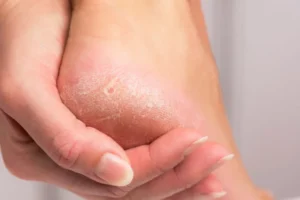
5 Reasons Why You Keep Getting Calluses On Your Feet
Causes and Treatments for Nails That Stop Growing

Causes & Treatments of Toe Separation

What Causes Lumps in the Foot?
7 Exercises That Are Great for Relieving Bunion Pain
Toenail Health: 5 Signs of Issues and What They Mean

What Is the Difference Between Muscle Spasms and Muscle Cramps?