Same Day Appointments Available!
Call Us 24/7 (801) 619-2170
Salt Lake City * Sandy * West Jordan

Managing Sesamoiditis: Causes, Symptoms, and Recovery Options

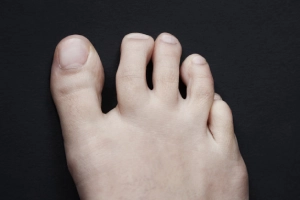 Sesamoiditis is an inflammatory condition affecting the sesamoid bones and surrounding tendons beneath the big toe joint. These tiny bones, embedded within the tendons under the ball of the foot, play a crucial role in normal foot mechanics and weight-bearing activities.
Sesamoiditis is particularly common among athletes, runners, and dancers who repeatedly place stress on the forefoot. Understanding sesamoiditis management is essential for anyone experiencing foot pain under the big toe, as early recognition and proper treatment can prevent chronic complications and accelerate recovery.
Understanding Sesamoiditis
Sesamoiditis refers to the inflammation of the sesamoid bones and the tendons surrounding them. This condition develops when repetitive stress or trauma causes irritation and swelling in the area beneath the big toe.
Sesamoiditis typically develops gradually through overuse, whereas fractures often result from acute trauma or sudden impact. Both conditions cause big toe pain, but they require different treatment approaches and have varying recovery timelines.
What Causes Sesamoiditis?
Understanding what triggers sesamoid inflammation can help you identify risk factors and take preventive measures.
- Repetitive Stress and Overuse: Physical stress is the primary culprit behind most sesamoiditis cases. Activities that involve repeated pushing off with the forefoot—such as running, jumping, dancing, and certain sports—place continuous pressure on the sesamoid bones.
- Improper Footwear: Poor-fitting footwear significantly contributes to sesamoiditis development. High heels force excessive weight onto the ball of the foot, while shoes with thin soles or inadequate cushioning fail to absorb shock effectively.
- Structural Foot Issues: People with high arches tend to place more pressure on the ball of the foot during weight-bearing activities. Conversely, those with flat feet may experience altered biomechanics that stress the sesamoid area.
- Sudden Changes in Activity: Rapidly increasing workout intensity, transitioning to harder running surfaces like concrete, or starting a new sport without proper conditioning can overwhelm the sesamoid bones’ capacity to adapt, leading to inflammation and sports foot pain.
Symptoms of Sesamoiditis
Early recognition of sesamoiditis symptoms is crucial for prompt treatment and preventing the condition from becoming chronic.
- Foot Pain: The hallmark symptom is pain under the ball of the foot, specifically beneath the big toe joint. This pain may feel sharp, dull, or throbbing, and it’s typically localized to the area where the sesamoid bones are located.
- Swelling and Tenderness: You may notice mild to moderate swelling on the bottom of your foot, and the area may be tender to the touch. In some cases, bruising may appear, though this is less common with sesamoiditis than with acute injuries.
- Change in Gait: When walking or running, individuals with sesamoiditis may naturally alter their stride to avoid pressure on the painful area, leading to an unnatural gait. This compensatory change can place undue stress on other parts of the foot, ankle, or knee, potentially leading to additional problems.
The onset of symptoms can vary. Some people experience a gradual development of ball of foot pain over weeks or months as inflammation builds up, while others may notice a more sudden onset following a specific activity or change in their routine.
Diagnosing Sesamoiditis
Accurate diagnosis is essential to differentiate sesamoiditis from other conditions causing big toe joint pain and to develop an effective treatment plan.
The diagnostic process typically begins with a clinical examination by a podiatrist or orthopedic specialist. The healthcare provider will palpate the area beneath your big toe to identify the precise location of tenderness.
Imaging tests play a crucial role in confirming the diagnosis and ruling out other conditions. A foot X-ray is often the first imaging study ordered, as it can reveal bone abnormalities, fractures, or anatomical variations such as bipartite sesamoids (sesamoid bones naturally divided into two pieces, which some people are born with).
However, X-rays don’t show soft tissue inflammation well. For a more detailed evaluation, your doctor may order an MRI, which provides excellent visualization of both bone and soft tissue.
MRI can detect inflammation, stress reactions in the bone, and tendon damage. In some cases, a bone scan may be recommended to identify areas of increased metabolic activity, which indicates inflammation or stress.
Treatment and Recovery Options
Sesamoiditis treatment focuses on reducing inflammation, relieving pain, and addressing underlying causes to prevent recurrence.
Conservative Treatments
Most cases of sesamoiditis respond well to conservative management, which should always be the first line of treatment.
- Rest and Activity Modification: Rest doesn’t necessarily mean complete immobilization, but rather avoiding activities that aggravate the condition.
- Ice Therapy: Apply ice to the affected area for 15-20 minutes several times daily, especially after activities. Always use a barrier, like a thin towel, between ice and skin to prevent frostbite.
- Anti-inflammatory Medications: Ibuprofen or naproxen can help manage pain and reduce swelling. Always follow dosing instructions and consult your healthcare provider, especially if you have underlying health conditions or take other medications.
- Cushioned Insoles and Orthotic Devices: Over-the-counter gel pads or specialized sesamoid cushions redistribute pressure away from the painful area. Custom orthotics designed by a podiatrist can address structural foot issues like high arches or flat feet, providing long-term relief and preventing recurrence.
- Taping and Padding: Medical taping can restrict big toe motion and reduce stress on the sesamoids, while specialized pads create a cutout around the sesamoid bones, preventing direct pressure during weight-bearing.
- Proper Footwear: Choose shoes with thick, cushioned soles, adequate arch support, and a low heel. Avoid high heels, minimalist shoes, and any footwear that places excessive pressure on the ball of the foot.
Advanced or Medical Interventions
When conservative treatments fail to provide adequate relief after several weeks, more advanced interventions may be necessary.
- Corticosteroid Injections: This is when a doctor injects medication directly into the inflamed area around the sesamoid bones for inflammatory relief. While effective, these injections are used judiciously due to potential side effects, including tissue weakening with repeated use.
- Physical Therapy: A physical therapist can teach exercises to strengthen the intrinsic foot muscles, improve flexibility, and correct biomechanical issues contributing to the condition. Therapeutic modalities like ultrasound or electrical stimulation may also reduce inflammation and promote healing.
- Surgical Intervention: Last-resort surgical options include sesamoid removal or repair of damaged tissue. While surgery can provide definitive relief, it alters foot mechanics and requires extensive rehabilitation.
Recovery Timeline and Prevention Tips
The sesamoiditis recovery time varies considerably based on severity and individual factors. Mild cases may resolve within 2-4 weeks with proper rest and conservative treatment.
Moderate cases typically require 6-12 weeks, while severe or chronic sesamoiditis might take several months to fully heal. Patience is essential—returning to high-impact activities too quickly often leads to recurrence and prolonged recovery.
Listen to your body—any return of symptoms signals the need to scale back.
Prevention strategies are your best defense against recurrence:
- Invest in supportive, well-cushioned shoes appropriate for your activities
- Replace athletic shoes regularly (every 300-500 miles for runners)
- Incorporate foot-strengthening exercises into your fitness routine
- Stretch your calves, Achilles tendon, and foot muscles regularly
- Warm up properly before physical activity
- Increase training intensity gradually
- Maintain a healthy body weight to reduce stress on your feet
- Consider preventive orthotics if you have structural foot issues
- Vary your activities to avoid repetitive stress on the same structures
Establishing good foot care routines supports overall foot health. Regular self-examination helps you detect problems early, while proper nail care and moisturizing prevent secondary issues that might alter your gait and increase forefoot stress.
When Should I See a Doctor?
While many cases of sesamoiditis improve with home treatment, certain situations warrant professional evaluation.
- Seek medical attention if you experience persistent pain despite two weeks of rest, ice, and activity modification. Pain that worsens instead of improving suggests the condition may be progressing or that you’re dealing with something more serious than simple inflammation.
- Difficulty walking or bearing weight on the affected foot indicates potentially severe inflammation or possibly a fracture rather than sesamoiditis alone. Don’t try to push through this level of pain, as it can lead to compensatory problems in other parts of your body.
- Watch for signs of fracture or infection. Severe, acute pain following trauma, visible deformity, or inability to bear any weight suggests a possible fracture requiring immediate evaluation.
If you’ve been managing chronic foot pain without improvement, or if symptoms significantly impact your quality of life, consult a podiatrist. Early professional intervention for big toe pain treatment often leads to faster resolution and better long-term outcomes than prolonged self-treatment of persistent symptoms.
Get Help Managing Sesamoiditis With Dr. Elizabeth Auger, DPM.
Sesamoiditis, while painful and potentially limiting, is a highly manageable condition when addressed properly. Understanding the causes—from repetitive stress and improper footwear to structural foot issues—empowers you to make informed decisions about prevention and treatment.
If you’re experiencing pain under your big toe that persists or interferes with your daily activities, consult a foot specialist for proper diagnosis and care. Dr. Elizabeth Auger, DPM, can provide the help needed to develop a treatment plan tailored to your lifestyle, activity level, and recovery goals.
Don’t let foot pain sideline you—early intervention leads to faster recovery and a quicker return to the activities you love. Call Dr. Elizabeth Auger today at (801) 396-9743.