Same Day Appointments Available!
Call Us 24/7 (801) 619-2170
Salt Lake City * Sandy * West Jordan

Understanding Tendonitis, Tendinopathy, and Tendinosis
Quick Summary: Understanding Tendonitis, Tendinopathy, and Tendinosis
- Tendon pain in the foot and ankle commonly results from overuse, strain, or injury.
- Tendonitis involves inflammation, tendinosis reflects degeneration, and tendinopathy describes persistent tendon conditions.
- Symptoms may include pain, swelling, stiffness, reduced mobility, and difficulty with daily activities.
- Risk factors include repetitive motion, improper footwear, sudden activity increases, and biomechanical issues.
- Early treatment, proper footwear, stretching, and strengthening exercises help prevent chronic tendon problems.
Need immediate help? Call (801) 619-2170.
Tendon pain in the foot and ankle is a common reason people visit a podiatrist. It can appear suddenly after activity or develop gradually, often limiting walking, running, or standing for long periods. Foot and ankle tendons support the body’s weight and absorb impact, which makes them prone to strain and injury. Early attention can prevent minor discomfort from becoming a chronic problem.
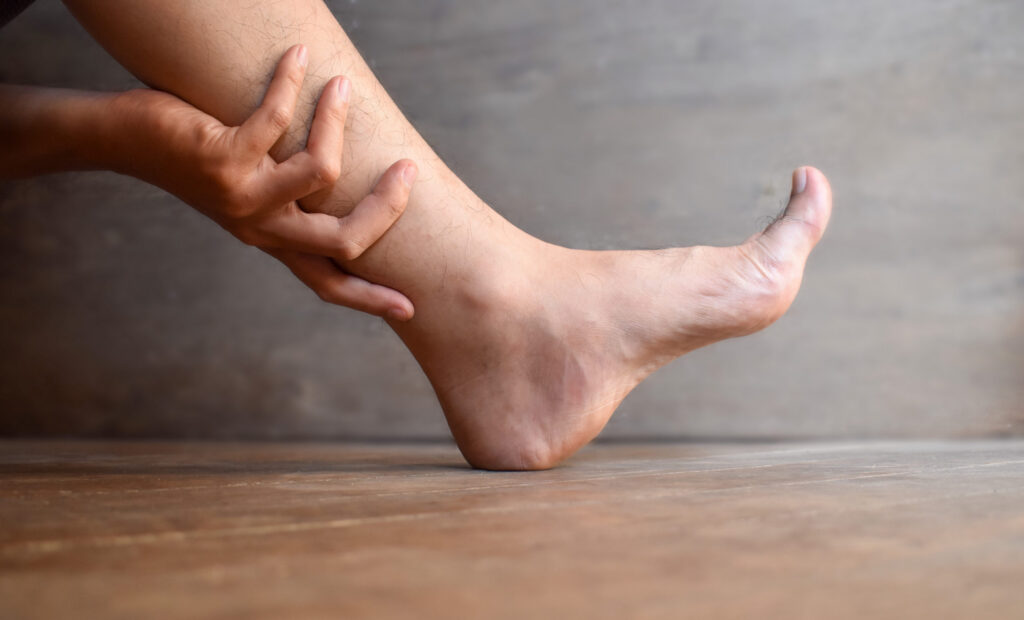
Tendonitis, tendinosis, and tendinopathy describe different tendon conditions that affect movement and quality of life. Tendonitis involves active inflammation, tendinosis results from long-term tendon degeneration, and tendinopathy is a broader term used when the exact cause is unclear. Understanding these differences helps guide effective treatment and recovery.
Role of Tendons in Foot and Ankle Movement
Tendons connect muscles to bones and transmit the force required for movement. They allow the foot and ankle to perform complex motions such as walking, running, jumping, and pivoting. Tendons also absorb impact forces, helping protect joints and muscles from damage.
Because the foot and ankle bear the body’s full weight, these tendons are particularly vulnerable to strain, repetitive stress, and degeneration. Runners, jumpers, and seniors performing daily activities all rely on these tendons, making even small injuries impactful.
Key Roles of Foot and Ankle Tendons
- Force transmission: Tendons carry muscular force from the muscles to the bones, enabling precise movement of the foot and toes. Without this connection, coordinated motion such as walking, running, or climbing stairs would be impossible.
- Shock absorption: Tendons absorb impact during high-demand activities, reducing pressure on joints and muscles. This function helps prevent microtears and overuse injuries.
- Stability: Tendons support the arches of the foot and maintain balance during dynamic movement. They work with surrounding muscles to reduce the risk of ankle rolls or instability during sports or daily tasks.
- Flexibility: Tendons allow smooth, coordinated motion across multiple planes. This flexibility enables the foot to adapt to uneven surfaces and changing terrain.
- Injury protection: Healthy tendons help prevent excessive strain on muscles and joints during activity. They lower the risk of chronic tendon problems caused by repetitive or high-impact motions.
Commonly Affected Tendons
- Achilles tendon: Connects the calf muscles to the heel and enables push-off during walking and running. Runners, jumpers, and active adults frequently stress this tendon, making it prone to injury.
- Posterior tibial tendon: Supports the arch and stabilizes the ankle during movement. Overuse, flat feet, or age-related weakening can place extra strain on this tendon, leading to pain or dysfunction.
- Peroneal tendons: Run along the outside of the ankle and provide lateral stability. They are often injured during sudden side-to-side movements or ankle sprains in sports and daily activities.
- Flexor tendons: Control toe and foot flexion while assisting with balance and grip. Repetitive motions, such as running or jumping, can strain these tendons and increase the risk of overuse injuries.
What Is Tendonitis?
Tendonitis is acute inflammation of a tendon. It occurs when a tendon becomes irritated or sustains a minor injury. Common tendons affected include the Achilles, posterior tibial, and peroneal tendons. Tendonitis usually develops quickly and can be short-term. Without proper care, it may progress into a more persistent tendon problem.
What Causes Tendonitis?
- Sudden increase in activity
- Overuse or repetitive motion
- Sports injuries or abrupt movements
- Improper footwear
- Tight calf muscles
- Biomechanical imbalances
What Are the Common Symptoms of Tendonitis?
- Sharp pain: Usually sudden or throbbing discomfort along the tendon.
- Swelling: Puffiness around the tendon may be visible.
- Warmth: The affected area may feel warmer than the surrounding tissue.
- Redness: Skin over the tendon can appear red.
- Pain with movement: Discomfort worsens during activity.
- Tenderness: Pressing along the tendon elicits sensitivity.
Prompt attention to tendonitis can prevent the condition from worsening. Tendons heal slowly due to limited blood supply, and recovery can take 3 to 6 months. Rest, stretching, and activity modification are often effective early interventions. A podiatrist may also recommend orthotics or physical therapy to correct biomechanical issues and support long-term tendon health.
What Is Tendinosis?
Tendinosis is a chronic degeneration of tendon tissue. It develops when collagen fibers break down over time. Tendons may thicken, weaken, and lose elasticity. Inflammation is minimal or absent. Tendinosis often occurs when tendonitis is untreated or repetitive stress continues. Because inflammation is not the primary problem, anti-inflammatory treatments alone may provide limited relief.
What Causes Tendinosis?
- Chronic overuse
- Untreated tendonitis
- Repetitive microtrauma
- Age-related collagen decline
- Poor circulation
- Long-term biomechanical stress
What Are the Common Symptoms of Tendinosis?
- Dull ache: Persistent, low-level pain along the tendon.
- Morning stiffness: Discomfort is most noticeable after rest or inactivity.
- Thickened tendon: Tendon may feel or appear enlarged.
- Reduced flexibility: Limited range of motion in the affected area.
- Activity pain: May ease slightly with warming up, but does not fully resolve.
Tendinosis often requires a structured treatment plan, including targeted physical therapy, stretching programs, supportive footwear or orthotics, and gradual strengthening exercises. Early recognition is key to preventing tendon rupture or more severe chronic issues.
What Is Tendinopathy?
Tendinopathy is a general term for persistent tendon pain and dysfunction, which may involve inflammation, degeneration, or both. Clinicians use this term when the exact nature of tendon damage is unclear, allowing for an accurate description of ongoing tendon issues without mislabeling the condition.
Tendinopathies are common musculoskeletal injuries, accounting for over 30% of all musculoskeletal consultations, highlighting how frequently these conditions affect patients.
What Causes Tendinopathy?
- Repetitive strain
- Training errors
- Structural foot abnormalities
- Improper surfaces
- Inadequate recovery
What Are the Common Symptoms of Tendinopathy?
- Activity pain: Discomfort may occur before, during, or after exercise.
- Swelling: Mild or moderate puffiness can appear around the tendon.
- Gradual onset: Symptoms develop slowly over days, weeks, or months.
- Weakness: Reduced strength in the foot or ankle may be present.
- Functional limitation: Difficulty performing sports or daily tasks is common.
Tendinopathy may require a combination of treatments addressing both inflammation and degeneration. Activity modification, supportive devices, and therapeutic exercises are often used together for effective recovery.
Key Differences Between Tendonitis, Tendinosis, and Tendinopathy
Different tendon conditions may seem similar, but they have distinct causes, symptoms, and treatment approaches. Understanding these differences helps patients and clinicians choose the most effective care plan.
The table below highlights the key distinctions between tendonitis, tendinosis, and tendinopathy.
| Feature | Tendonitis | Tendinosis | Tendinopathy |
| Nature | Acute inflammation of the tendon | Chronic degeneration of tendon tissue | General term for persistent tendon disorder |
| Inflammation | Present | Minimal or none | May or may not be present |
| Onset | Sudden, often after activity | Gradual, develops over time | Gradual or acute, depending on the underlying cause |
| Duration | Short-term, resolves with care | Long-term, can persist for months | Varies, can be acute or chronic |
| Tissue Changes | Inflamed tendon fibers | Collagen breakdown, thickened tendon | Depends on the underlying pathology |
| Common Example | Acute Achilles tendonitis | Chronic Achilles tendinosis | Achilles tendinopathy |
Understanding these distinctions is critical for proper treatment. Anti-inflammatory therapies may relieve tendonitis but are often ineffective for tendinosis, which requires structural support and rehabilitation. Accurate diagnosis allows a podiatrist to tailor care, promote faster healing, and prevent long-term complications.
How to Prevent Tendonitis, Tendinosis, and Tendinopathy in the Foot and Ankle
Tendon pain can often be prevented with proper care and attention. Addressing risk factors and adopting healthy habits can lower the likelihood of developing tendonitis, tendinosis, or tendinopathy.
Prevention is especially important for athletes, active adults, and anyone recovering from previous tendon discomfort. Small, consistent steps can make a significant difference in tendon health and long-term mobility.
- Warm-up and stretching: Gentle stretching before activity prepares tendons for movement. Improved flexibility helps reduce sudden strain during exercise and high-impact activity.
- Gradual increase in activity: Slowly increasing intensity or mileage allows tendons to adapt. Sudden spikes in activity are a common cause of tendon irritation or injury.
- Proper footwear: Supportive shoes absorb shock and maintain proper foot alignment. Worn-out or unsupportive shoes place extra stress on tendons, increasing the risk of injury.
- Strengthening exercises: Targeted exercises for the calf, foot, and ankle improve tendon resilience. Stronger muscles take pressure off the tendons and reduce the risk of chronic problems.
- Cross-training: Alternating activities reduces repetitive stress on the same tendons. Mixing low-impact exercises with running, jumping, or sports helps prevent overuse injuries.
- Rest and recovery: Scheduled rest allows tendons time to repair micro-injuries. Ignoring pain or skipping recovery can lead to chronic tendon issues such as tendinosis.
- Manage biomechanical issues: Orthotics or custom shoe inserts correct structural imbalances. Proper alignment reduces uneven stress and supports long-term tendon health.
Schedule an Evaluation for Persistent Tendon Pain
Persistent tendon pain that does not improve with rest should be taken seriously. Untreated tendonitis can progress to tendinosis, leading to longer recovery times and a higher risk of complications. Early evaluation allows a podiatrist to determine the cause and develop an effective treatment plan.
Dr. Elizabeth E. Auger, DPM, provides comprehensive care for foot and ankle tendon conditions at clinics in Salt Lake City, Sandy, and West Jordan. Contact us today (801) 619-2170 to begin your path to pain-free movement.