Same Day Appointments Available!
Call Us 24/7 (801) 396-9743
Salt Lake City * Sandy * West Jordan

What is Compartment Syndrome?

Quick Summary: What is Compartment Syndrome
- Compartment syndrome develops when pressure builds inside a muscle compartment, restricting blood flow and damaging tissue.
- The condition most commonly affects the lower legs.
- Acute cases are medical emergencies requiring immediate treatment.
- Chronic cases develop during exercise and improve with rest.
- Early recognition of pain, tightness, or numbness is key to preventing damage.
Persistent leg pain should be evaluated promptly. Call (801) 396-9743 for help.
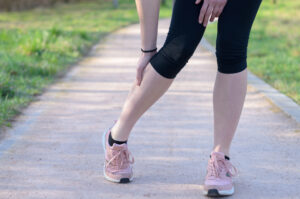 If you run Millcreek Canyon trails, hike the Wasatch Mountains, or stay active in Salt Lake City, it’s important to understand what compartment syndrome is. This condition occurs when pressure builds inside a muscle compartment, restricting blood flow and potentially damaging muscles and nerves if not treated promptly.
At Elizabeth E. Auger, DPM, Foot and Ankle Specialist, we care for patients across the Salt Lake Valley with both acute emergencies and chronic, activity-related cases. Early recognition and timely treatment help prevent long-term damage.
Understanding What Compartment Syndrome Is and How It Develops
Compartment syndrome affects enclosed muscle spaces in the body, most commonly in the legs and arms. Understanding how these compartments function helps explain why increased pressure can quickly become dangerous.
Muscle Compartments and Fascia
Your muscles are grouped into compartments surrounded by fascia, a tough tissue that does not stretch easily. In the lower leg, there are four main compartments: anterior (front), lateral (outer), superficial posterior (calf), and deep posterior. Each contains muscles, nerves, and blood vessels that support movement and sensation.
How Pressure Causes Damage
When pressure builds inside a compartment, it restricts blood flow. Reduced circulation limits oxygen delivery to muscles and nerves. If pressure remains elevated, tissue damage can occur, potentially leading to long-term weakness, nerve injury, or disability.
Common Causes and Local Risk Factors
Pressure may increase due to injury-related swelling, bleeding from trauma, tight casts or bandages, or repetitive overuse. Some people naturally have tighter fascia, making swelling harder to accommodate. For Salt Lake City residents who ski at nearby resorts, trail run in mountain canyons, or cycle along the Jordan River Parkway, repetitive impact and endurance training can raise the risk of chronic compartment issues.
Recognizing early symptoms, especially during high-impact outdoor activities, allows for timely treatment and helps prevent progression to more serious complications.
Different Types of Compartment Syndrome
Compartment syndrome occurs in two main forms, acute and chronic (exertional). Each differs in cause, symptoms, and urgency, making early recognition critical.
Acute Compartment Syndrome
Acute compartment syndrome is a medical emergency that develops suddenly, usually after trauma that causes bleeding or severe swelling within a muscle compartment. Common causes include:
- Severe fractures (especially leg or forearm)
- Crush injuries
- Significant bruising
- Tight casts or bandages
- Burns with tissue swelling
Orthopedic emergency standards and clinical guidance are detailed in the American Academy of Orthopaedic Surgeons’ Ortho Info resource on compartment syndrome.
Key warning signs to look out for include:
- Severe, worsening pain not relieved by rest or medication
- Tight, firm swelling
- Numbness or tingling
- Weakness
- Cool skin or diminished pulses in advanced cases
Without urgent surgical release (fasciotomy), permanent muscle and nerve damage can occur within 6–8 hours. For Salt Lake City residents injured while skiing local resorts or mountain biking nearby canyon trails, sudden severe limb pain after trauma should be treated as an emergency. Prompt evaluation can prevent long-term complications.
Chronic Exertional Compartment Syndrome
Chronic exertional compartment syndrome (CECS) develops gradually and is triggered by repetitive exercise. While not an emergency like the acute form, it can significantly limit athletic performance and daily activity. CECS occurs when muscles swell during exercise, but the surrounding fascia does not expand enough to accommodate that swelling. This increases pressure and causes pain during activity. Most commonly affected individuals:
- Runners and marathon trainees
- Cyclists
- Hikers
- High-intensity training participants
In Salt Lake City, we frequently see CECS in runners preparing for the Salt Lake City Marathon, hikers training in the Wasatch Range, and athletes engaged in CrossFit or interval workouts. The anterior (front) and deep posterior (deep calf) compartments of the lower leg are most often involved. Typical symptoms include:
- Pain starting at a predictable point during exercise
- Tightness or fullness in the leg
- Numbness or tingling in the foot
- Symptoms improving within 15–30 minutes of rest
Because symptoms resolve with rest, many people mistake CECS for shin splints or general muscle soreness. A less common variation, chronic atraumatic compartment syndrome, can occur without a clear injury and may relate to anatomical or fascial differences.
Recognizing the consistent, activity-based pattern of pain is key to diagnosis and early treatment, especially for active individuals in Salt Lake City’s outdoor-focused community.
Recognizing Symptoms and What to Look For
Early recognition helps prevent permanent damage. Acute compartment syndrome causes severe, worsening pain that increases with muscle stretching. Chronic exertional compartment syndrome (CECS) causes predictable cramping or tightness during exercise that improves with rest.
Numbness, tingling, and weakness occur when pressure compresses nerves and restricts blood flow, as outlined by the Cleveland Clinic.
What Causes Compartment Syndrome and Who Is at Risk
Acute compartment syndrome usually follows injuries that cause significant swelling or bleeding, such as fractures, crush injuries, burns, or tight casts.
Chronic exertional compartment syndrome (CECS) develops from repetitive exercise and commonly affects runners, cyclists, hikers, and high-intensity athletes, especially those with tight fascia or biomechanical issues.
In Salt Lake City, altitude, mountain terrain, incline training, and seasonal shifts toward trail running or skiing can increase the risk of lower-leg strain.
How Compartment Syndrome Is Diagnosed
Diagnosis depends on whether symptoms suggest an acute emergency or a chronic condition.
Acute compartment syndrome is often identified by severe, worsening pain after injury, pain with muscle stretching, firm swelling, numbness, or weakness. If suspected, treatment may begin immediately, with pressure testing used when needed.
Chronic exertional compartment syndrome is typically diagnosed through exercise-based pressure testing. MRI or ultrasound may help rule out other causes of leg pain, such as stress fractures or tendon injuries.
Conservative Treatment Options for Chronic Compartment Syndrome
Chronic exertional compartment syndrome (CECS) is often managed without surgery, especially in mild cases. Treatment focuses on lowering activity intensity, improving biomechanics with physical therapy, and using proper footwear or orthotics to reduce pressure.
Ice and anti-inflammatory measures may help control symptoms. If conservative care fails, surgery may be required to return to full activity.
When to Seek Medical Care for Compartment Syndrome
Prompt care can prevent serious complications. Go to the ER immediately for severe, worsening pain after injury, increasing numbness or weakness, firm swelling, or pale, cool skin; these may indicate acute compartment syndrome.
If you have predictable exercise-related leg pain that improves with rest, schedule an evaluation for possible chronic exertional compartment syndrome. Early diagnosis helps prevent progression.
How to Avoid Developing Compartment Syndrome
Lower your risk, especially for chronic exertional compartment syndrome, by increasing training gradually and listening to your body.
Build mileage slowly when transitioning to outdoor running in Salt Lake City or preparing for hikes. Warm up, cross-train, and wear supportive footwear to reduce strain.
Do not ignore persistent leg pain, and seek care if symptoms worsen after skiing or mountain biking injuries.
FAQ About Compartment Syndrome
Can compartment syndrome come back after surgical treatment?
Recurrence after fasciotomy for chronic exertional compartment syndrome is possible but uncommon, occurring in roughly 10–20% of cases. It may happen if the fascia was not fully released, if scar tissue creates a new restriction, or if another compartment later becomes involved.
How long does recovery take after compartment syndrome surgery?
Recovery varies by type and severity. After surgery for chronic exertional compartment syndrome, most patients walk within days, resume light activity in 2–4 weeks, and return to full exercise in 8–12 weeks.
Is compartment syndrome the same as shin splints?
No. While both cause exercise-related leg pain, they are different conditions. Shin splints involve inflammation along the inner shin, and pain may persist even after activity stops. Chronic exertional compartment syndrome causes compartment-specific pain during exercise that usually improves within 30 minutes of rest.
Can children develop compartment syndrome?
Yes. Both acute and chronic forms can affect children and teens. Acute cases often follow fractures, while chronic exertional compartment syndrome may occur in young athletes.
Because children may struggle to describe symptoms, parents and coaches should watch for exercise-related leg pain that improves with rest, limping, or avoiding activities they once enjoyed.
Will I need to stop exercising permanently if I have chronic compartment syndrome?
Not usually. Many people return to their preferred activities after treatment. Mild cases may improve with activity modification, physical therapy, and biomechanical correction. If conservative care is not enough, surgical fasciotomy has high success rates, and most patients resume full exercise after recovery. A podiatrist can help tailor a plan that supports your activity goals.
Contact Elizabeth E. Auger, DPM, for Compartment Syndrome Evaluation
If you’re experiencing exercise-related leg pain, persistent discomfort that doesn’t improve with rest, or concerning symptoms after an injury, Elizabeth E. Auger, DPM, Foot and Ankle Specialist, provides comprehensive evaluation and treatment. We help Salt Lake City residents identify the cause of their symptoms and determine whether conservative care or surgical intervention is appropriate.
Don’t let leg pain keep you from enjoying the trails, ski slopes, and mountain activities that define life in the Salt Lake Valley. Call (801) 396-9743 today or reach out today to schedule an evaluation.