Same Day Appointments Available!
Call Us 24/7 (801) 396-9743
Salt Lake City * Sandy * West Jordan

What is Fibroma of the Foot?

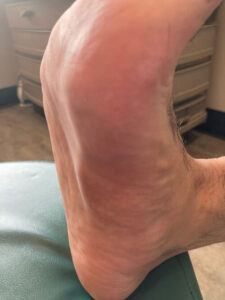
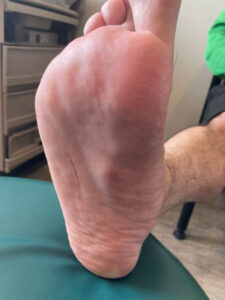
A fibroma of the foot is a relatively rare condition characterized by the presence of a small lump or nodule on the bottom part of the foot, known as the plantar surface. This nodule is actually a thickening of the fibers in the plantar fascial band, which is a band of tissue that supports the arch of the foot. While the exact cause of fibromas is often unknown, they can sometimes be hereditary or develop as a result of trauma to the foot.
In most cases, fibromas do not require any specific treatment and are left untreated unless they cause pain or continue to grow in size. However, if treatment is necessary, cortisone injections have not been found to be effective in eliminating fibromas. Instead, the primary approach to managing fibromas involves wearing comfortable shoes that provide adequate support and using a custom orthotic device to further support the plantar fascial band.
In certain situations where the fibroma is causing significant discomfort or impairing normal foot function, surgical excision may be recommended. During this procedure, it is important for the surgeon to remove approximately 2 millimeters of tissue around the nodule to minimize the risk of recurrence. By removing this addition al tissue, the chances of the fibroma growing back are reduced.
Following the surgical excision, proper post-operative care is crucial for optimal healing. Patients are typically advised to wear a walking boot for a period of 3-4 weeks and avoid putting weight on the affected foot for the first 2 weeks. This allows the foot to rest and heal without placing excessive stress on the surgical site. Stitches are usually removed after 3-4 weeks, at which point the foot can be safely exposed to water.
It is important to note that the incision made during the surgical excision of a fibroma requires special care due to an increased risk of wound dehiscence. Wound dehiscence refers to the separation of the wound edges, which can lead to complications in the healing process.
Therefore, it is essential to follow any specific instructions provided by the surgeon regarding wound care and to seek medical attention if any signs of infection or wound complications arise.
Treatment for Fibroma of the Foot in Salt Lake City
If you are in need of treatment for a plantar fibroma, contact Dr. Elizabeth Auger, DPM. She is an experienced podiatrist who has been practicing in the Salt Lake City area for more than 24 years. Dr. Auger specializes in providing effective and efficient care for various foot conditions, including plantar fibromas.
Don’t delay in seeking treatment for your plantar fibroma. Reach out today and take the first step towards relieving your foot pain and improving your overall foot health. You can trust in her years of experience and commitment to providing exceptional podiatric care.